





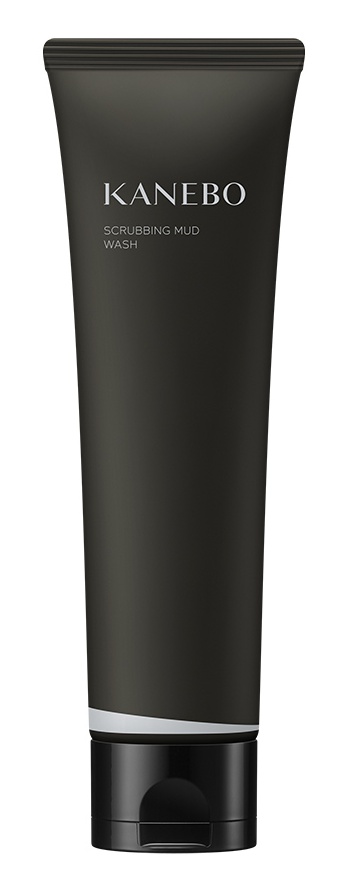
Highlights
Key Ingredients
Skim through
| Ingredient name | what-it-does | irr., com. | ID-Rating |
|---|---|---|---|
| Moroccan Lava Clay | abrasive/scrub, viscosity controlling | ||
| Cellulose | viscosity controlling | ||
| Silk Powder | |||
| Ethyl Cellulose | viscosity controlling | ||
| Sodium Methyl Cocoyl Taurate | surfactant/cleansing | ||
| Rosehip Oil | emollient | goodie | |
| Glycerin | skin-identical ingredient, moisturizer/humectant | 0, 0 | superstar |
Kanebo Scrubbing Mud WashIngredients explained
 We don't have description for this ingredient yet.
A natural polymer (big molecule from repeated subunits) that can be found in the cell wall of green plants. It is a natural and sustainable helper ingredient that can improve the absorption of the formula and it also reduces oiliness on the skin. It is also used as a sensory additive and thickening agent.
We don't have description for this ingredient yet.
We don't have description for this ingredient yet.
A mild and non-drying cleanser that gives skin a nice and soft after-feel. It also has great foaming properties, comes from coconuts and it's biodegradable.
The oil coming from the seeds of dog-rose, a wild rose species native to Europe, northwest Africa and western Asia. It's a nice emollient, moisturizing plant oil loaded with skin-nourishing fatty acids (linoleic acid - 51%, linolenic acid - 19% and oleic acid - 20%).
If you start to dig a bit deeper into the rosehip oil topic, you will soon see that there are lots of species of rose, and it's all a bit confusing to know what the differences and similarities between the oils of the different roses are. As far as our research can tell, here is the gist.
In skincare two major types of rosehip oil are used:
1. Rosa Rubiginosa that is a synonym for Rosa Eglanteria and for Rosa Mosqueta. We will call it RR from now on.
2. Rosa Canina, or RC
The oil content and composition of RR and RC is similar, but there are some differences: RR contains 8% of oil, while RC contains a bit more, 10%. However, the quality of RR oil seems to be a bit better: it contains 78% essential unsaturated fatty acids while RC contains only 71%. Also, the linoleic-oleic ratio of RR is better (3.3 vs 2.5) that might be important if your skin is acne-prone (as linoleic acid is good for acne and oleic is not).
There is one more important thing to mention: RR oil is famous for containing the miracle active, tretinoin. Though Wikipedia puts RR and RC oil under the same article called as Rose hip seed oil, the referenced research about tretinoin content examines only Rosa Rubiginosa. We looked for a research paper explicitly stating that Rosa Canina also contains tretinoin, but could not find one, so we can neither deny nor confirm it. What we could find is a paper mentioning the tocopherols (vitamin E) and carotenoids (pro-vitamin A) content of Rosa Canina oil that gives it some nice antioxidant properties.
All in all, it is a great emollient plant oil with great fatty acids beneficial for any skin type.
- A natural moisturizer that’s also in our skin
- A super common, safe, effective and cheap molecule used for more than 50 years
- Not only a simple moisturizer but knows much more: keeps the skin lipids between our skin cells in a healthy (liquid crystal) state, protects against irritation, helps to restore barrier
- Effective from as low as 3% with even more benefits for dry skin at higher concentrations up to 20-40%
- High-glycerin moisturizers are awesome for treating severely dry skin
You may also want to take a look at...
| what‑it‑does | abrasive/scrub | viscosity controlling |
| what‑it‑does | viscosity controlling |
| what‑it‑does | viscosity controlling |
| what‑it‑does | surfactant/cleansing |
| what‑it‑does | emollient |
| what‑it‑does | skin-identical ingredient | moisturizer/humectant |
| irritancy, com. | 0, 0 |